AMC Hall of Fame
The U.S. Army Materiel Command Hall of Fame, established in 2012, honors and memorializes those Soldiers and civilians who have made significant and enduring contributions to AMC and the Army. The Hall of Fame preserves the command's history and recognizes the exceptional leadership, service and dedication of former AMC members for their remarkable efforts.
Class of 2023
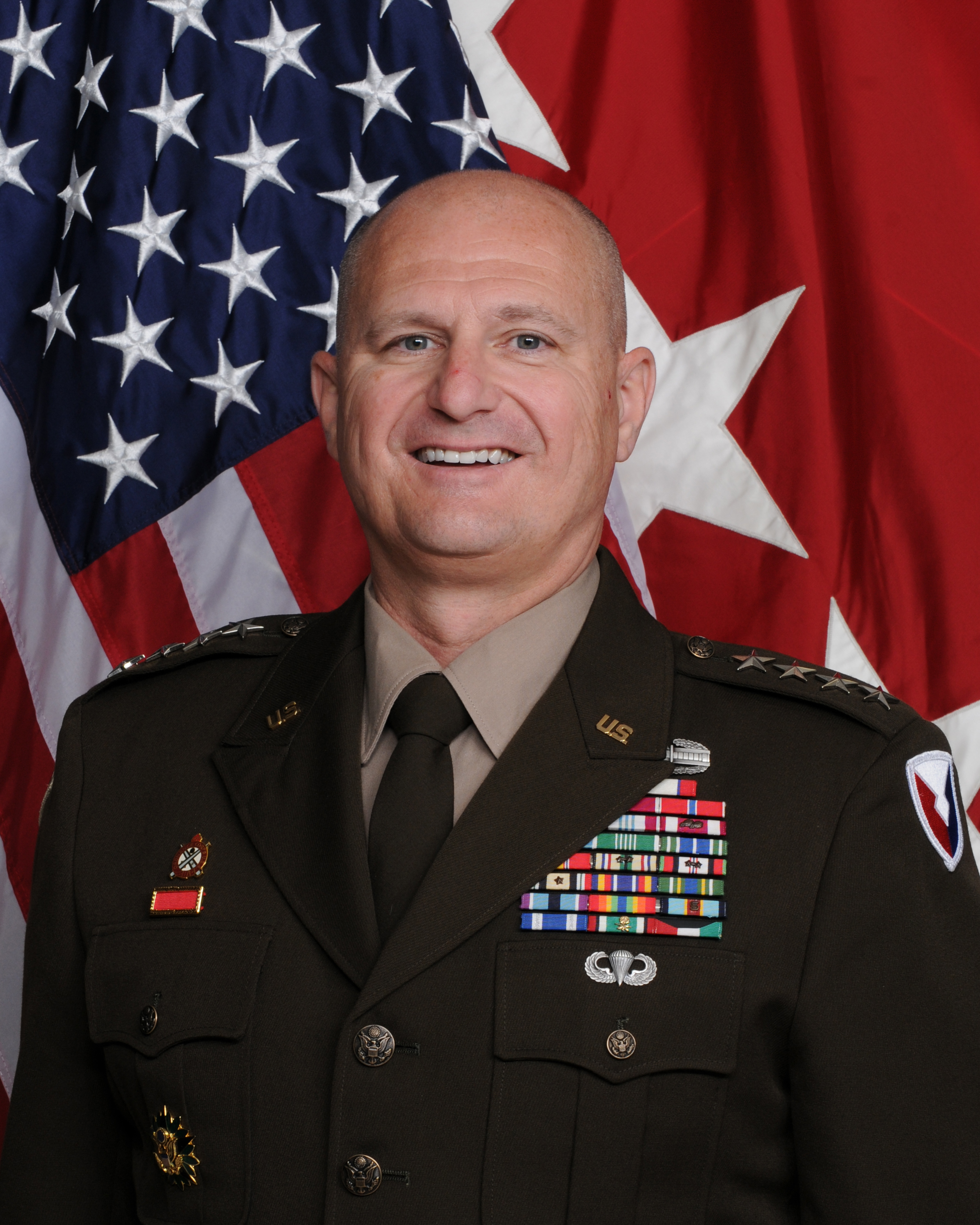
General Ed Daly
General Edward Daly distinguished himself through more than 36 years of exceptionally meritorious military service, culminating as Commanding General, U.S. Army Materiel Command, at Redstone Arsenal, Alabama, and the Army's senior sustainer, from July 2020 to March 2023. General Daly’s previous assignments include: AMC Deputy Commanding General; Commanding General of Army Sustainment Command at Rock Island Arsenal, Illinois; AMC Deputy Chief of Staff; and 37th Chief Of Ordnance and Commandant Of The U.S. Army Ordnance School.
General Daly led AMC through several critical missions, including orchestrating logistics support to Ukraine and the European theater - packaging, shipping and distributing more than $54 billion in equipment from locations around the globe. He also oversaw the movement and relocation of more than 75,000 Afghan evacuees as part of Operation Allies Welcome.
General Daly was commissioned as a second lieutenant in the Ordnance Corps upon his graduation from the U.S. Military academy at west point in 1987. He earned master’s degrees in business administration from Gonzaga University and strategic studies from the U.S. Army War College. General Daly deployed as part of Operation Desert Storm/Desert Shield and Operation Iraqi freedom. General Daly’s awards include the Army Distinguished Service Medal (1olc), Legion of Merit (1olc), Bronze Star Medal (1olc), Defense Meritorious Service Medal, Meritorious Service Medal (2olc), Joint Service Commendation Medal, Army Commendation Medal, Army Achievement Medal, Combat Action Badge, Parachutist Badge and Army Staff Identification Badge.
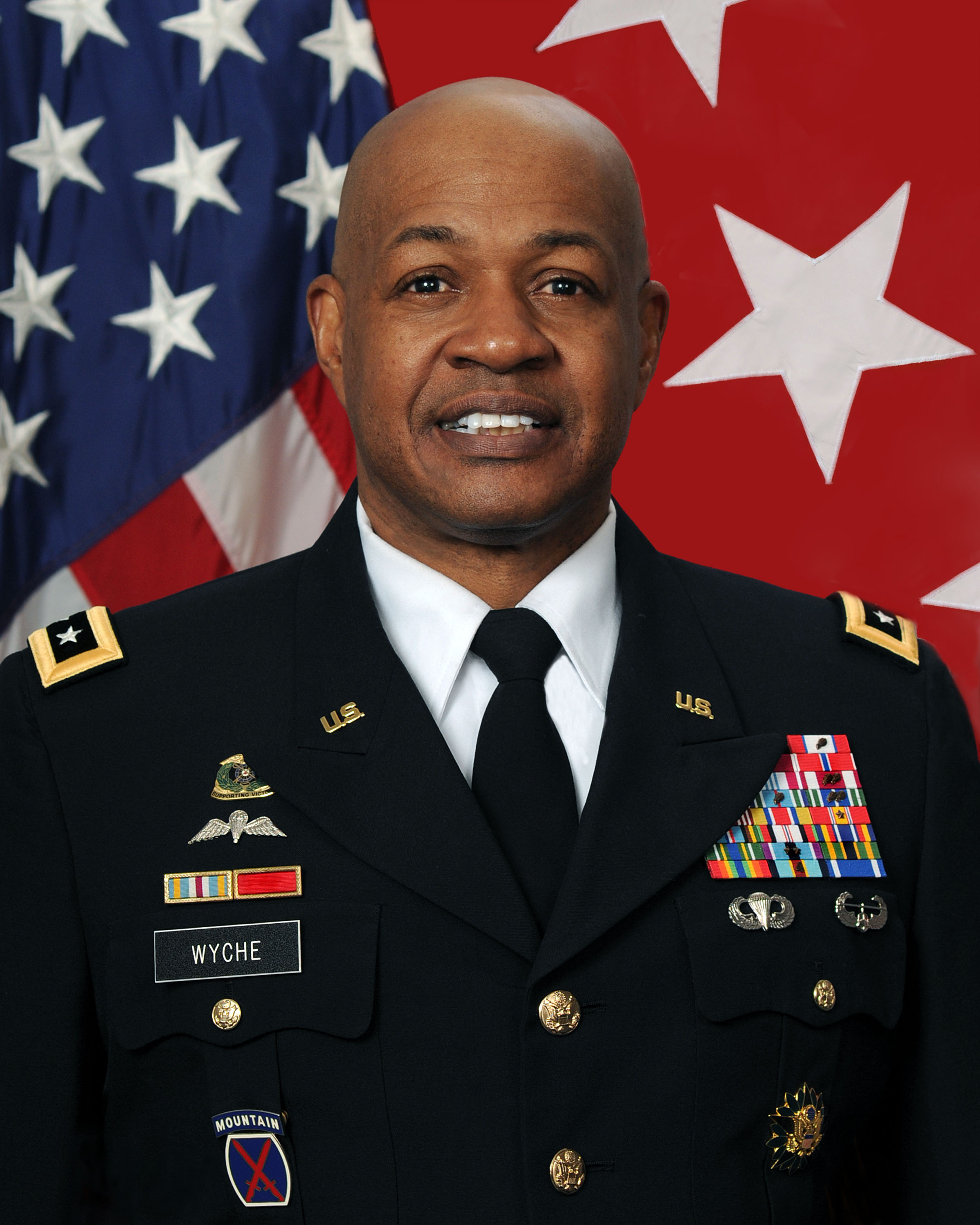
Lieutenant General Larry Wyche
Lieutenant General Larry Wyche began his army career in 1975 as a private. He culminated 42-years of honorable service as the U.S. Army Materiel Command’s Deputy Commanding General at Redstone Arsenal, Alabama, in 2017. His command assignments include: Commanding General, U.S. Army Combined Arms Support Command and The Sustainment Center of Excellence; and Commanding General, Joint Munitions and Lethality Life Cycle Management Command / Joint Munitions Command. He also served as AMC’s Chief of Staff and Deputy Chief of Staff for Logistics and Operations; and in positions within the offices of the U.S. Army Deputy Chief of Staff, G-4, and Deputy Chief of Staff, G-8. Lieutenant General Wyche deployed to Afghanistan in support of operation enduring freedom.
As an enlisted Soldier, Lieutenant General Wyche achieved the rank of sergeant before commissioning as a Quartermaster officer following graduation with a bachelor’s degree in business administration degree from Texas A&M University–Corpus Christi in May 1982. He later earned master’s degrees in logistics management from the Florida Institute of Technology, and national resource strategy from the Industrial College of the Armed Forces. Lieutenant General Wyche’s awards and decorations include the Distinguished Service Medal (1olc); Legion of Merit Medal (1olc); Bronze Star Medal; Defense Meritorious Service Medal; Meritorious Service Medal (2olc); Army Commendation Medal (3olc); Joint Service Achievement Medal; Army Achievement Medal (1olc); Army Reserve Component Achievement Medal; Armed Forces Expeditionary Medal; Global War on Terrorism Medal; Afghanistan Campaign Medal; and the Humanitarian Service Medal. He also earned the Parachutist Badge and the Air Assault Badge.
Lieutenant General Gwen Bingham
Lieutenant General Gwen Bingham culminated 38 years of distinguished service in her final assignment as the U.S. Army Assistant Chief of Staff for Installation Management from 2016 to 2019. She was a trailblazer throughout her military career, serving as the first woman to hold positions, including the Army’s 51st Quartermaster General and Commandant of The U.S. Army Quartermaster School; Commanding General, White Sands Missile Range; and Commanding General, Tank-Automotive and Armaments Life Cycle Management Command. Lieutenant General Bingham served in more than 20 countries and deployed to Kuwait and Afghanistan in support of Operations Iraqi Freedom and Enduring Freedom.
A native of Troy, Alabama, she graduated from Army ROTC as a distinguished military graduate from the University of Alabama in August 1981 and was commissioned a second lieutenant in the Quartermaster Corps. Lieutenant General Bingham has master’s degrees in administration from Central Michigan University and in national security strategy and resources from the National Defense University. She was selected to the 2022 Army Women’s Foundation Hall of Fame and the 2022 Quartermaster Corps Hall of Fame; named 2022 distinguished alumni, University of Alabama; and named 2021 “CNN Champion For Change.” She is the recipient of the 2019 White House Correspondents Brunch “Be Fearless” Award; 2019 Joint Women’s Leadership in Excellence Meritorious Service Award; 2018 Ellis Island Medal of Honor; 2018 Women in Defense Service to the Flag Award; and 2014 Rock of the Year Award. Lieutenant General Bingham is also the recipient of numerous military awards, including: the Distinguished Service Medal (1olc); Defense Superior Service Medal; Legion of Merit (2olc); Defense Meritorious Service Medal (1olc); Meritorious Service Medal (3olc); Joint Service Commendation Medal; Army Commendation Medal (1olc); Army Achievement Medal; and numerous campaign and service medals.
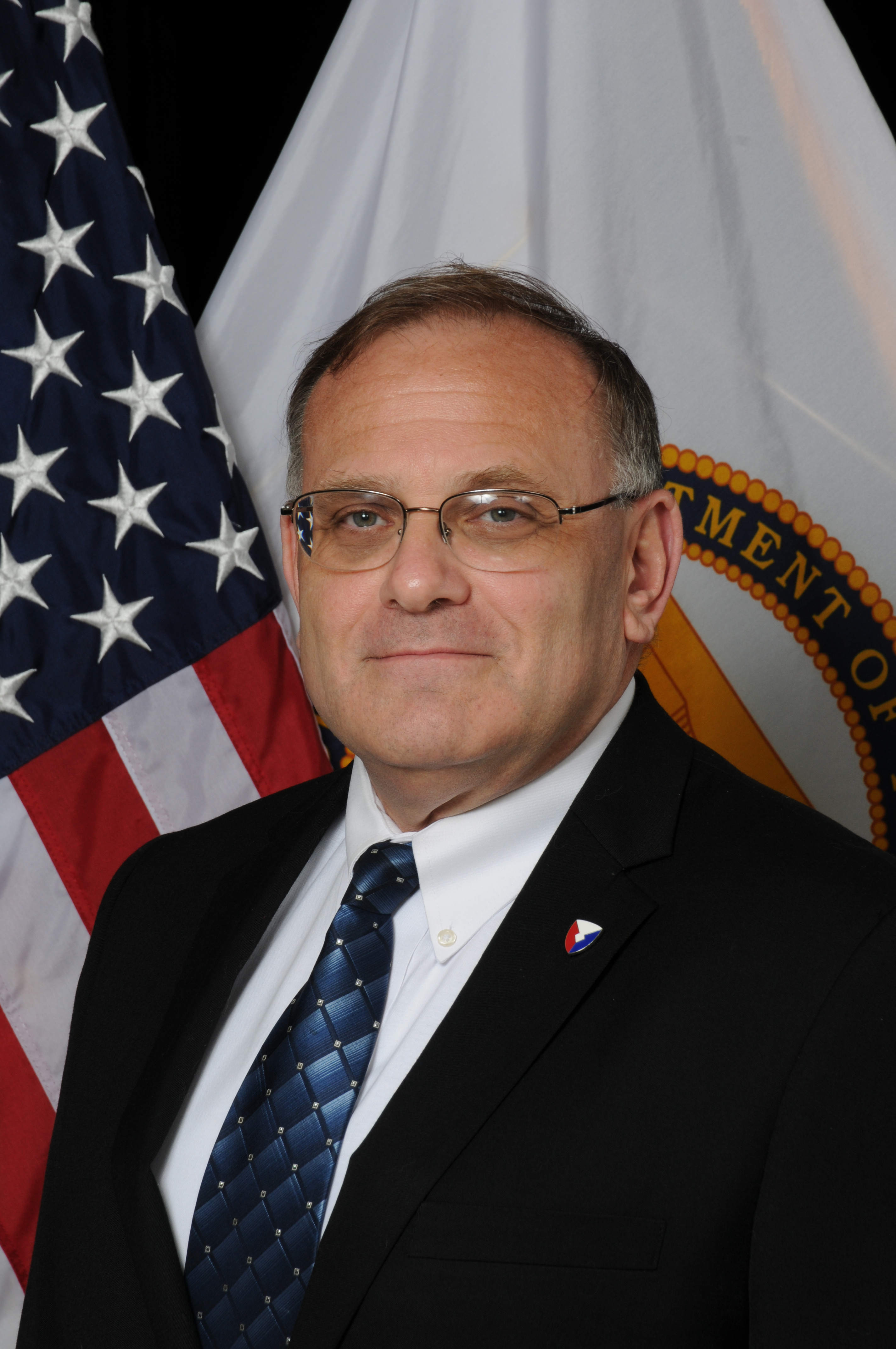
Jim Dwyer
Mr. James Dwyer has more than 40 years of combined military and federal civilian service. He began his career as an active-duty army officer, serving from 1975 to 2001 and retiring at the rank of colonel. He culminated his career in uniform within U.S. Army Materiel Command, first as the Commander of Red River Army Depot in Texarkana, Texas, and then as the executive officer to General John Coburn, AMC’s Commanding General. After working in industry, Mr. Dwyer entered federal civil service in 2003 as the Acting Director for the U.S. Army Tank-Automotive and Armaments Life Cycle Management Command (TACOM) Integrated Logistics Support Center prior to becoming a member of the Senior Executive Service (SES) and serving as the Deputy Chief of Staff for Logistics, G-4, at AMC’s headquarters. Mr. Dwyer was later assigned as the principal deputy when AMC’S G-3 and G-4 were consolidated.
While at AMC, Mr. Dwyer implemented the lead system integrator program, assuming the Department of the Army mission of issuing class 7 assets to army units. This initiative modernized the way the army does business. Mr. Dwyer’s efforts saved U.S. taxpayers billions of dollars, but most importantly, his dedication, professionalism and skilled acumen as a logistician ensured that warfighters were supported in the field with the best possible equipment and services. Mr. Dwyer was considered one of the Army’s top logisticians during his tenure at AMC. His significant and enduring contributions to AMC’s core missions supported readiness and modernization, and overhauled AMC’s business processes.
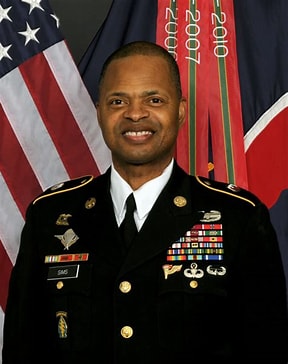
Command Sergeant Major James Sims
Command Sergeant Major of U.S. Army Materiel Command at Redstone Arsenal, Alabama, from December 2013 to March 2017. His previous Command Sergeant Major positions and assignments include: U.S. Army Combined Arms Support Command (CASCOM); the 10th Quartermaster Regimental Command Sergeant Major; 49th Quartermaster Regimental Group; 530th Combat Sustainment Support Battalion; and Group Support Battalion, 7th Special Forces Group (Airborne). During his career, Command Sergeant Major Sims deployed to Iraq, Afghanistan, Kuwait and other locations. He is a graduate of the U.S. Army Sergeants Major Academy class of 54 and has a Bachelor of Science degree in business management from Trident University International (summa cum laude).
Command Sergeant Major Sims is a distinguished member of the Quartermaster Regiment and 3rd U.S. Infantry Regiment (Old Guard). He was inducted in the Quartermaster Hall of Fame in 2017. His decorations and awards include the Distinguished Service Medal, Legion of Merit (1olc), Bronze Star Medal (1olc), Meritorious Service Medal (4olc), German Parachutist Badge, French Master Parachutist Badge, Venezuela Parachutist Badge, Polish Master Parachutist Badge, Air-Assault Badge, Pathfinder Badge, Senior Parachutist Badge, Master Parachutist Badge and Combat Action Badge. Command Sergeant Major Sims is a demonstrated master logistician, a recipient of the quartermaster Distinguished Order of Saint Martin, the Transportation Honorable Order of Saint Christopher, and the Ordnance Order of Samuel Sharpe.
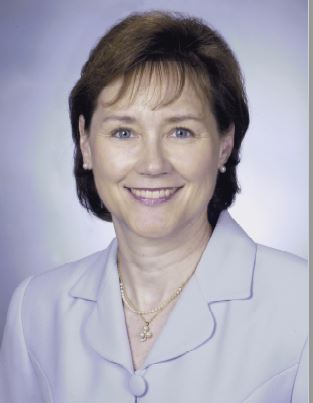
Deborah Devlin
Ms. Deborah Devlin has been recognized throughout the Department of Army as one of its most outstanding human resources executives. As the Deputy Chief of Staff for Personnel/G-1 for U.S. Army Materiel Command’s Communications-Electronics Command (CECOM), she led the efforts to ensure that the organization hired, trained and managed its people in a highly effective, efficient and professional manner.
From December 2006 until she retired in July 2010, Ms. Devlin led a series of initiatives to ensure the smooth transition of CECOM and the army team command, control, communications, computer, intelligence, surveillance and reconnaissance (C4ISR) workforce from Fort Monmouth, New Jersey, and Fort Belvoir, Virginia, to Aberdeen Proving Ground, Maryland, in accordance with a Base Realignment and Closure (BRAC) 2005 decision to close Fort Monmouth and establish a Center of Excellence there.
Ms. Devlin took an innovative and proactive approach to BRAC human resources planning and implementation that was widely recognized throughout the Department of Army as the gold standard for others to emulate. Her exceptional personnel management and recruiting resulted in CECOM and team C4ISR retaining more than 60% of the workforces when initial BRAC estimates projected just 25%. Her management training program ensured that the new and transitioning personnel were properly trained. Ms. Devlin distinguished herself as an outstanding leader and visionary in the human resources field throughout her distinguished 30-year career. She received many awards, including the Department of Army William H. Kushnick Award in 2001 and two Exceptional Civilian Service Medals. Always the consummate professional, she has been an honorable mentor and role model, highly respected by senior leaders, peers and subordinates alike.